11 April -
30 May 2026
Gertrude Contemporary
21-31 High Street, Preston SouthOpening event & panel discussion:
Friday 10 April 2026, 5 – 8pm
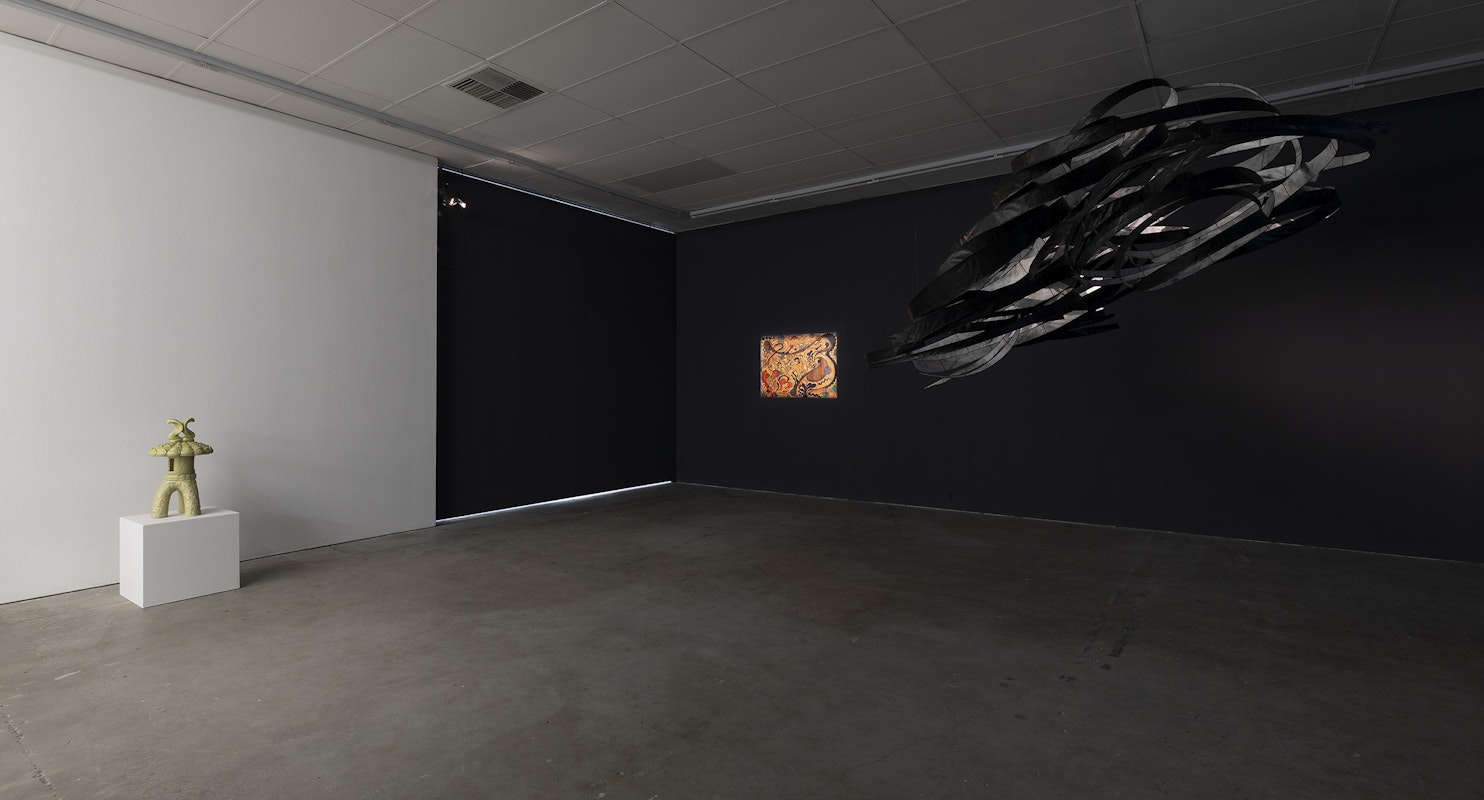
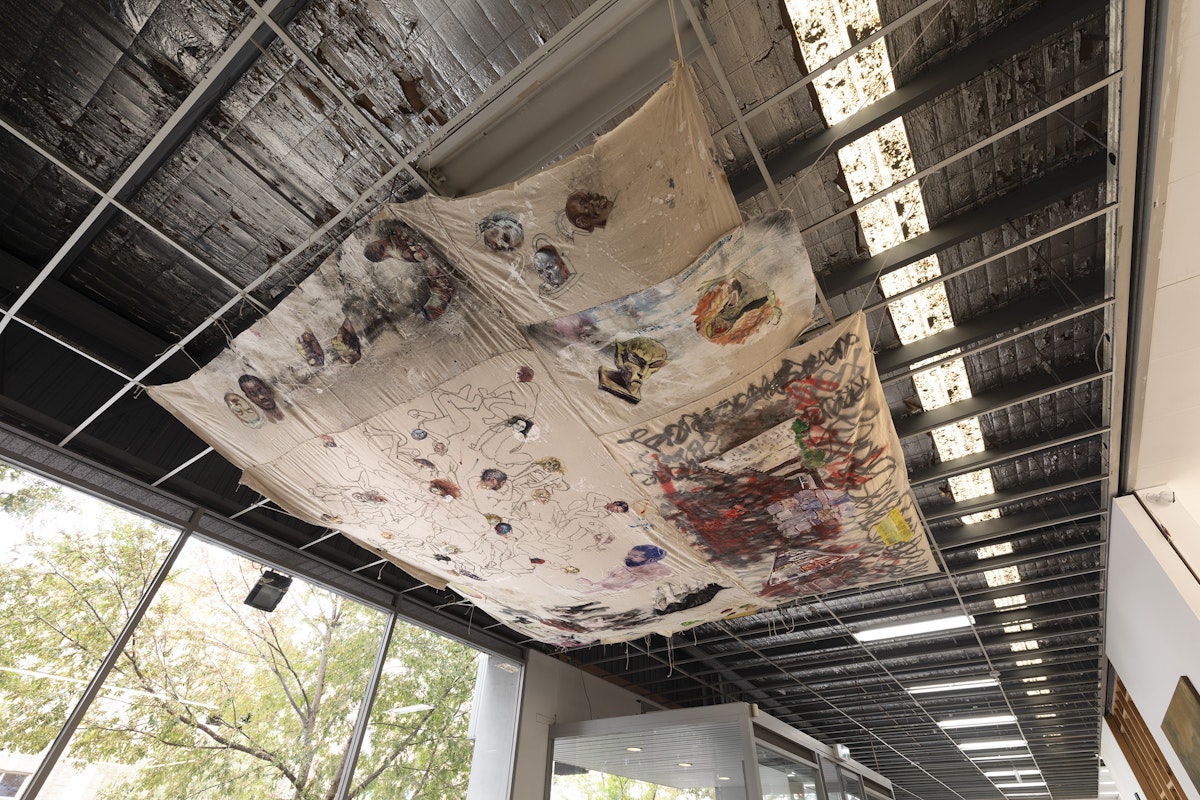
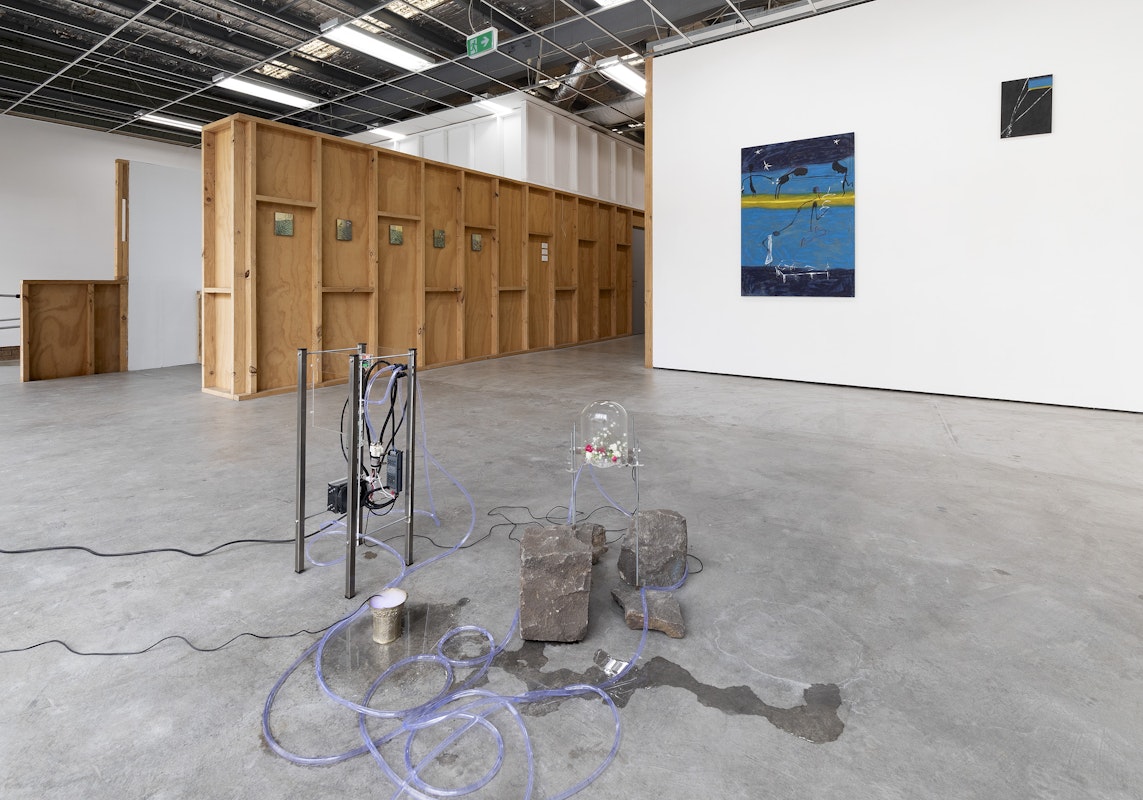
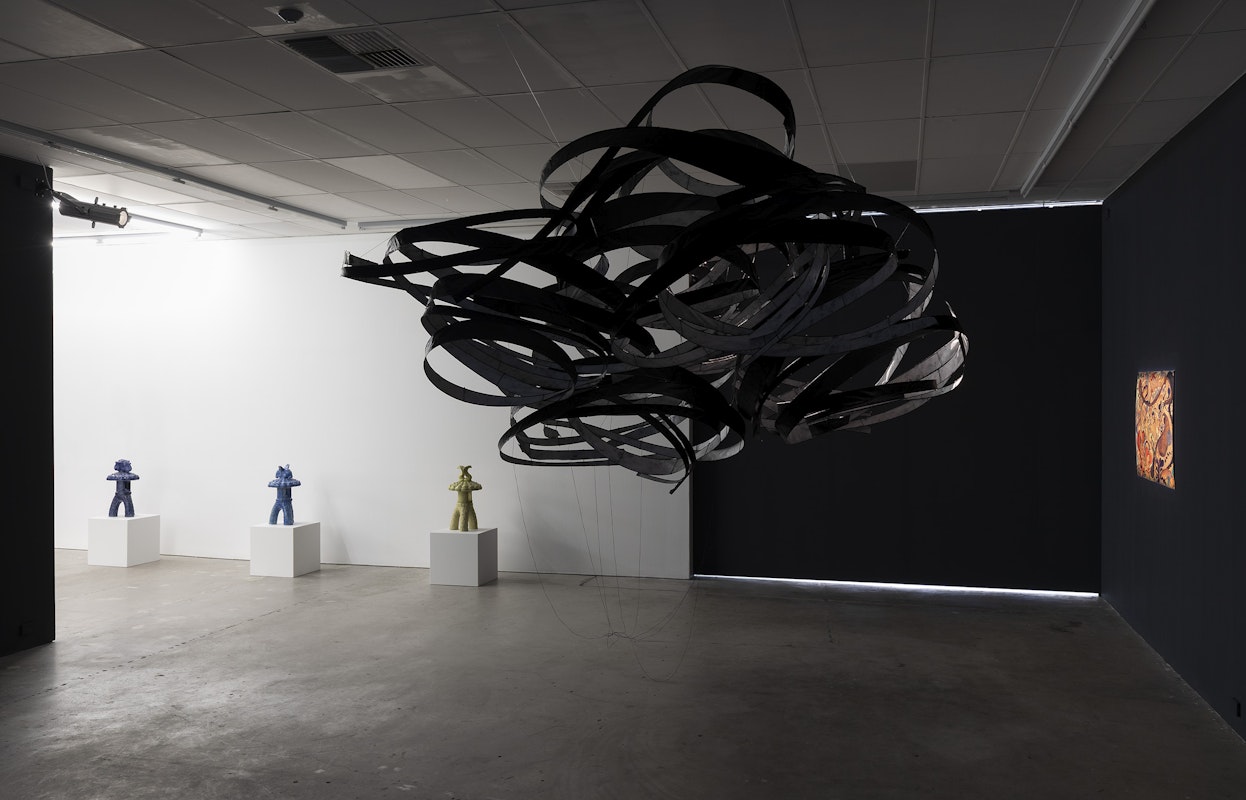
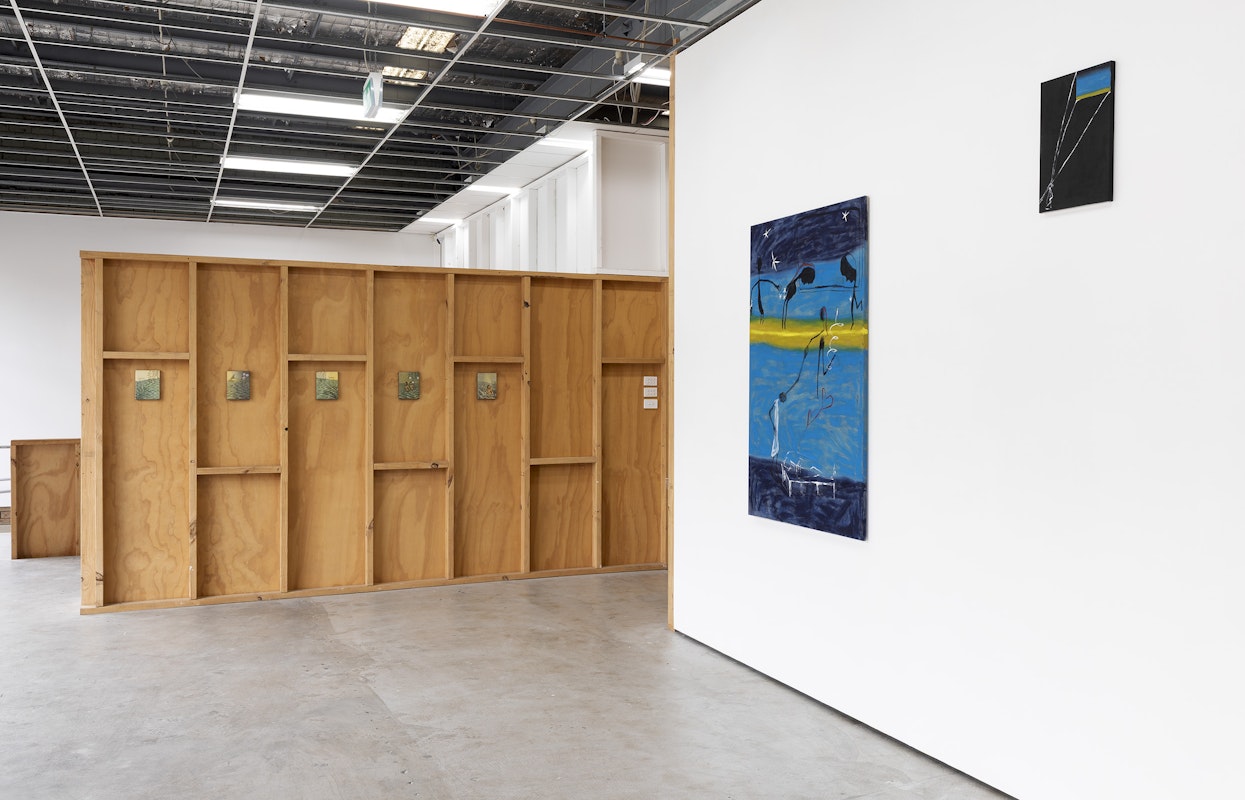
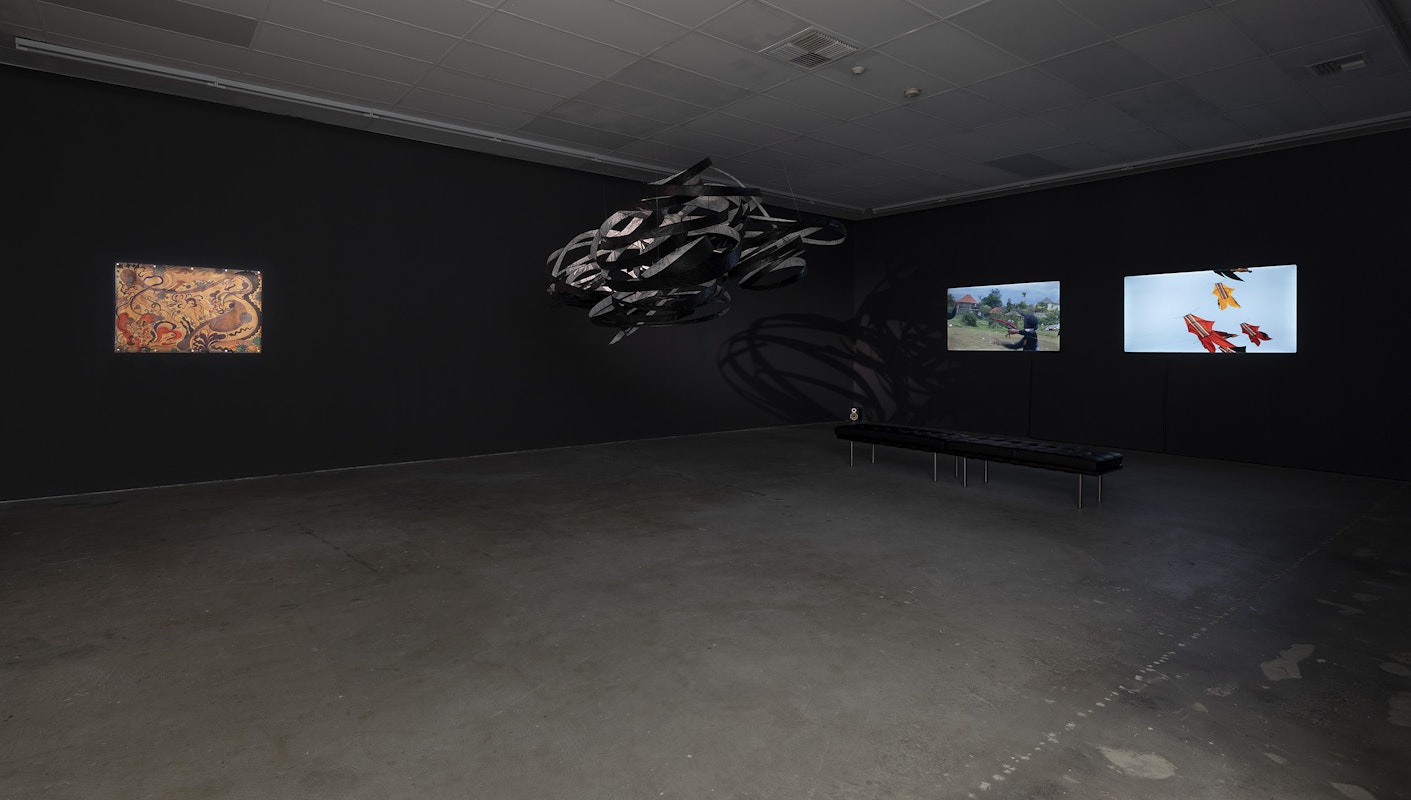
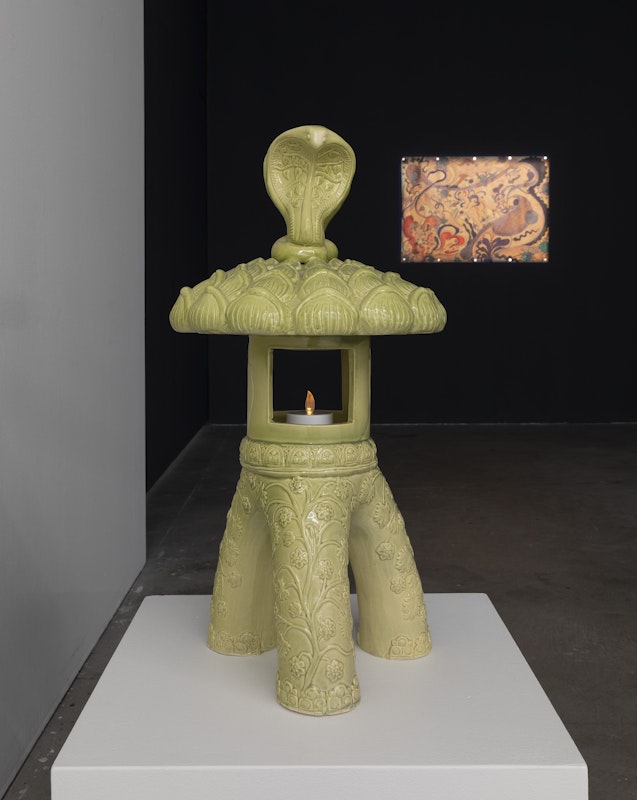
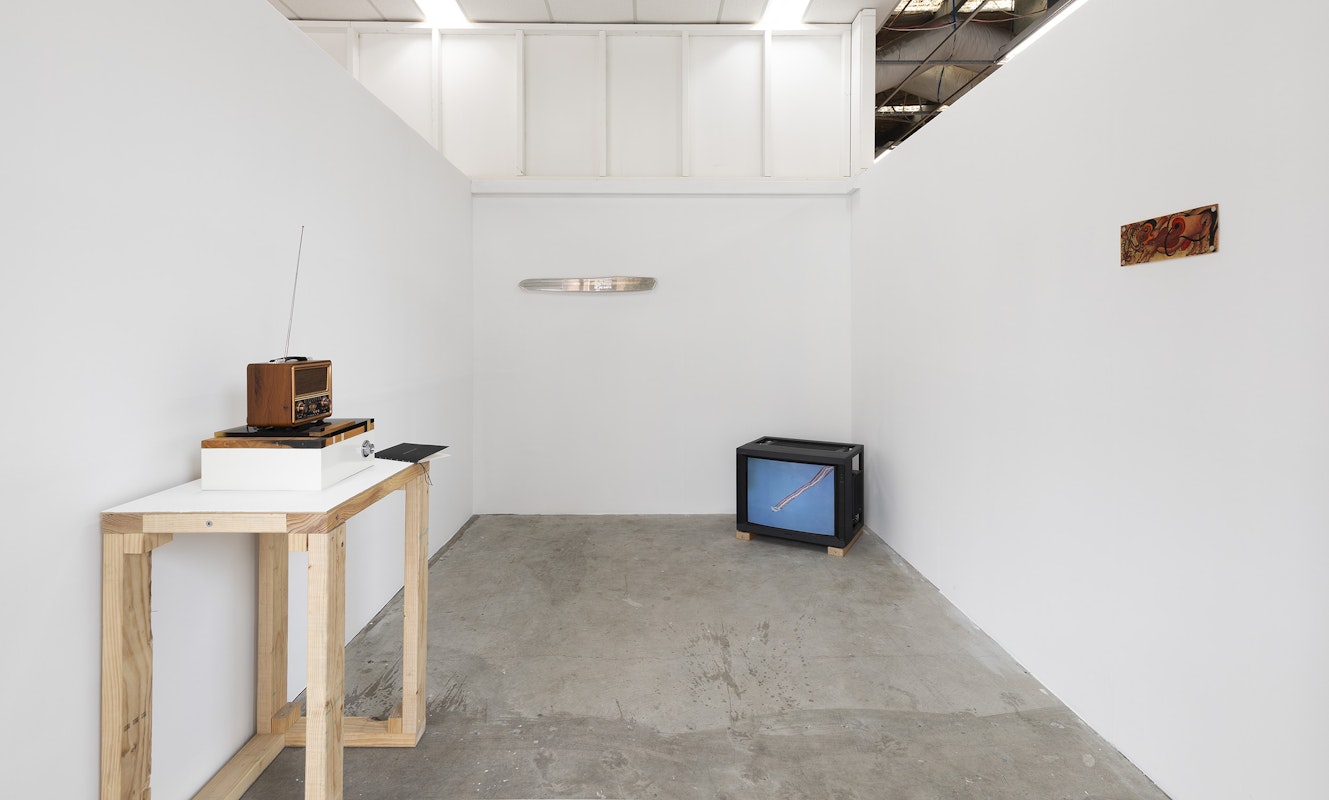
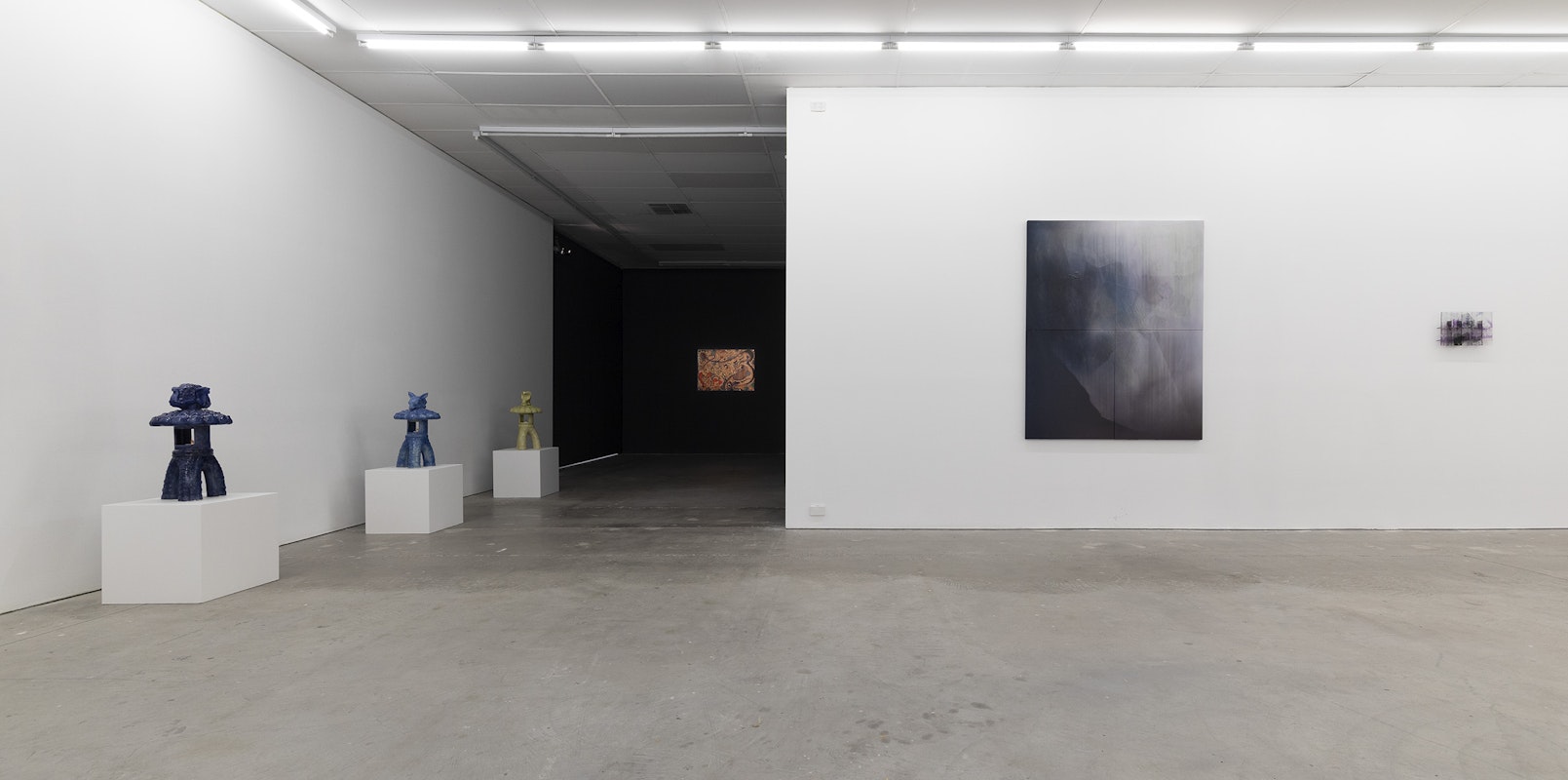
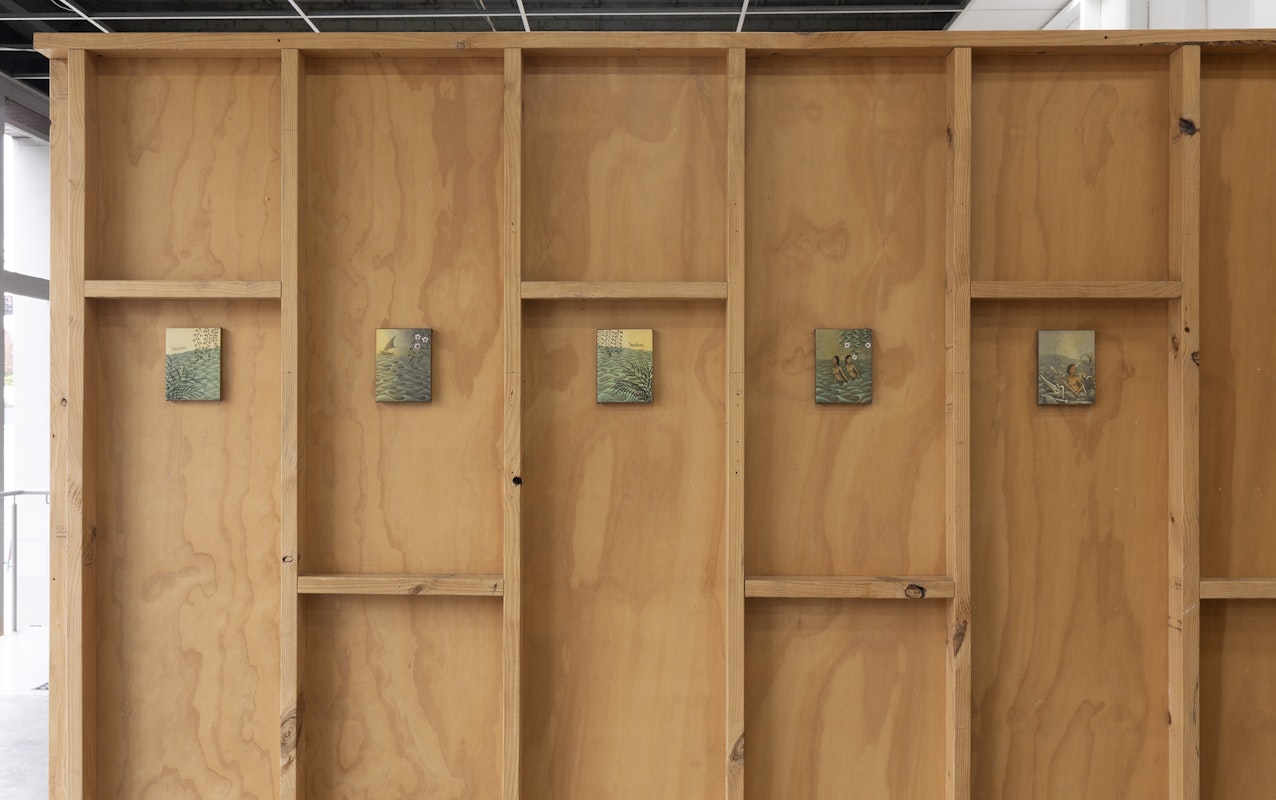
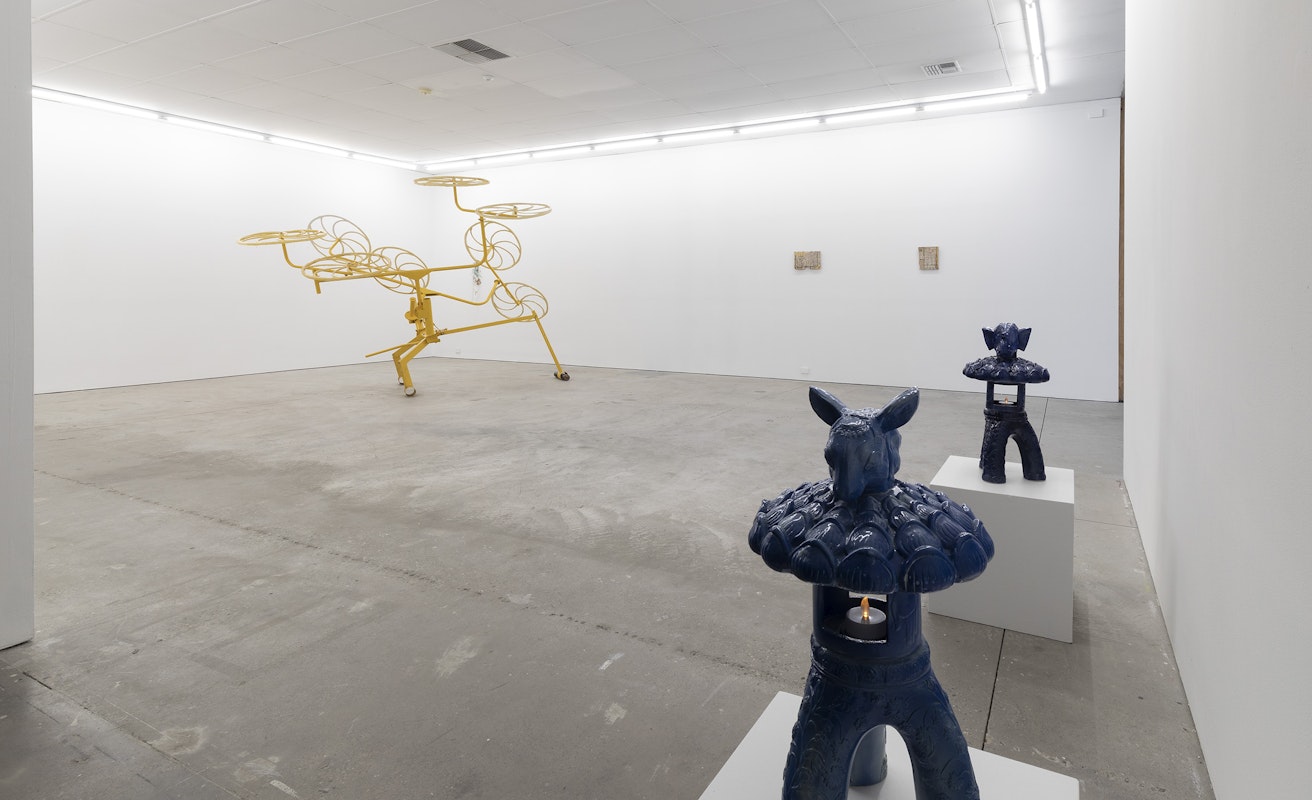
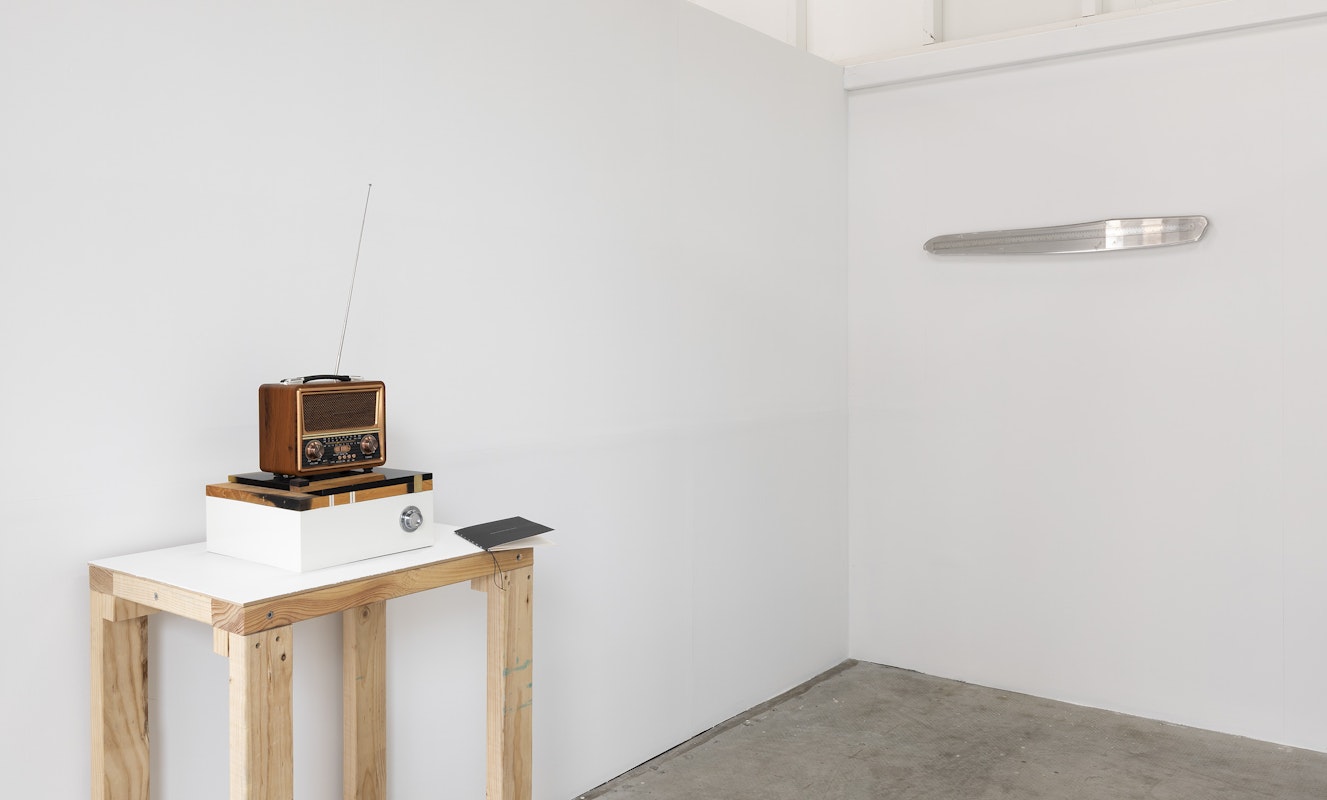
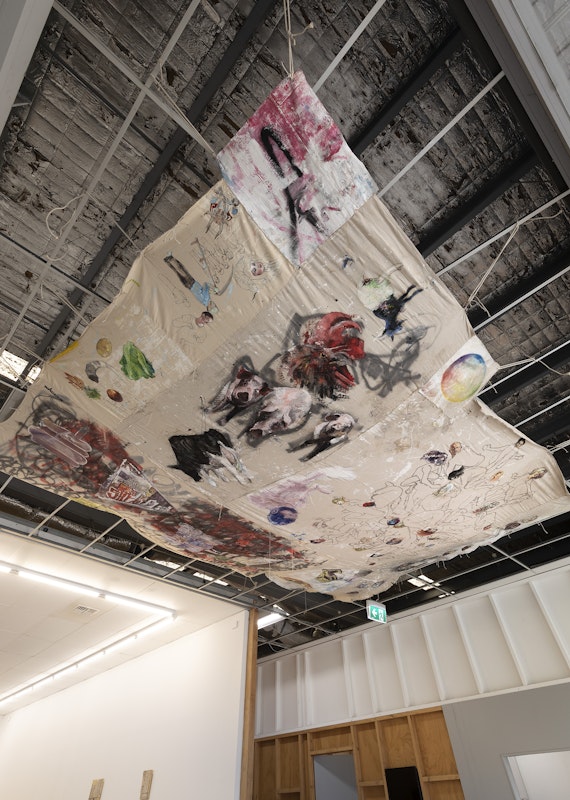
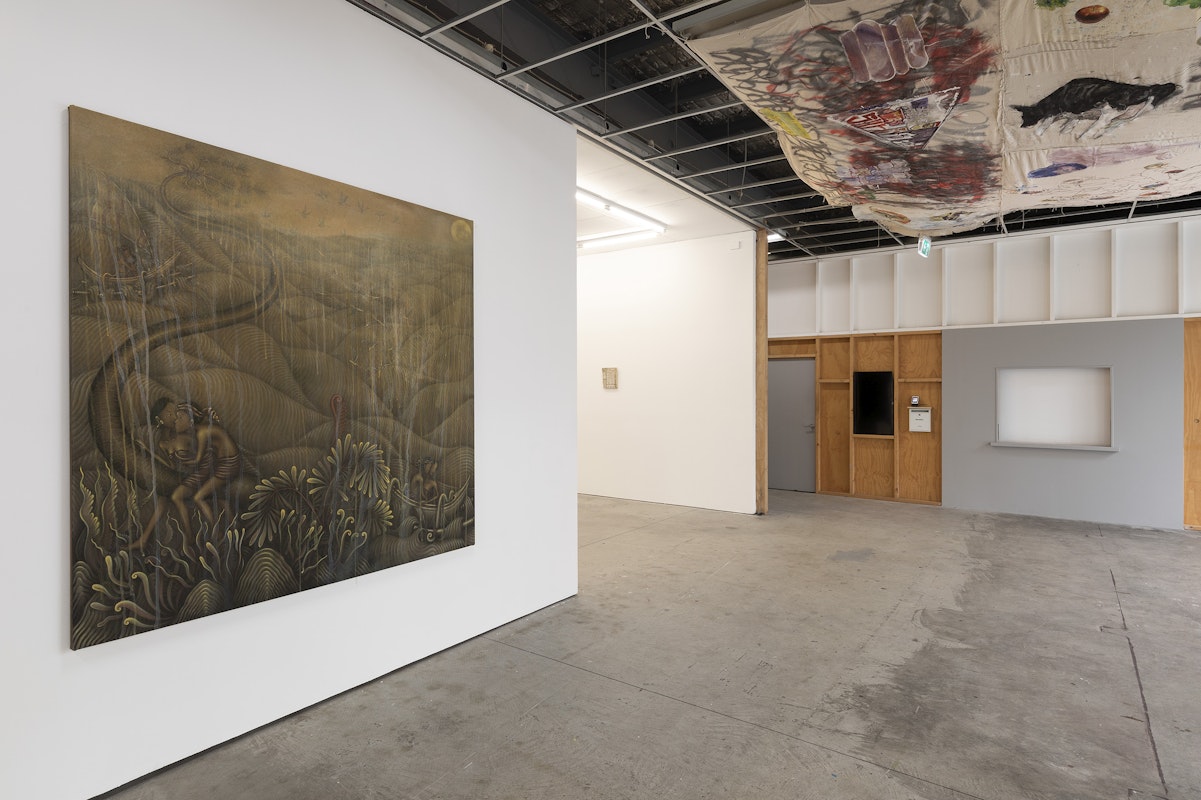
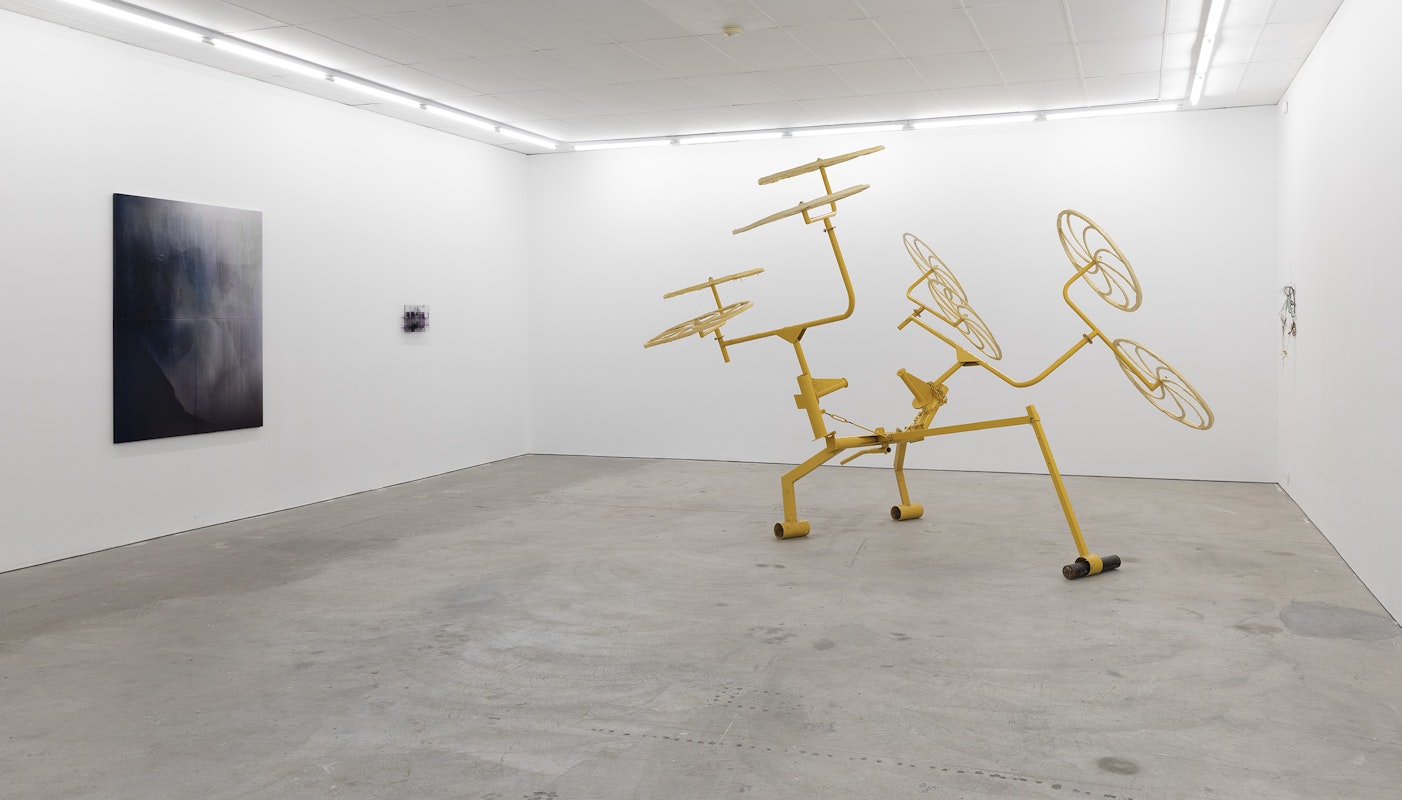
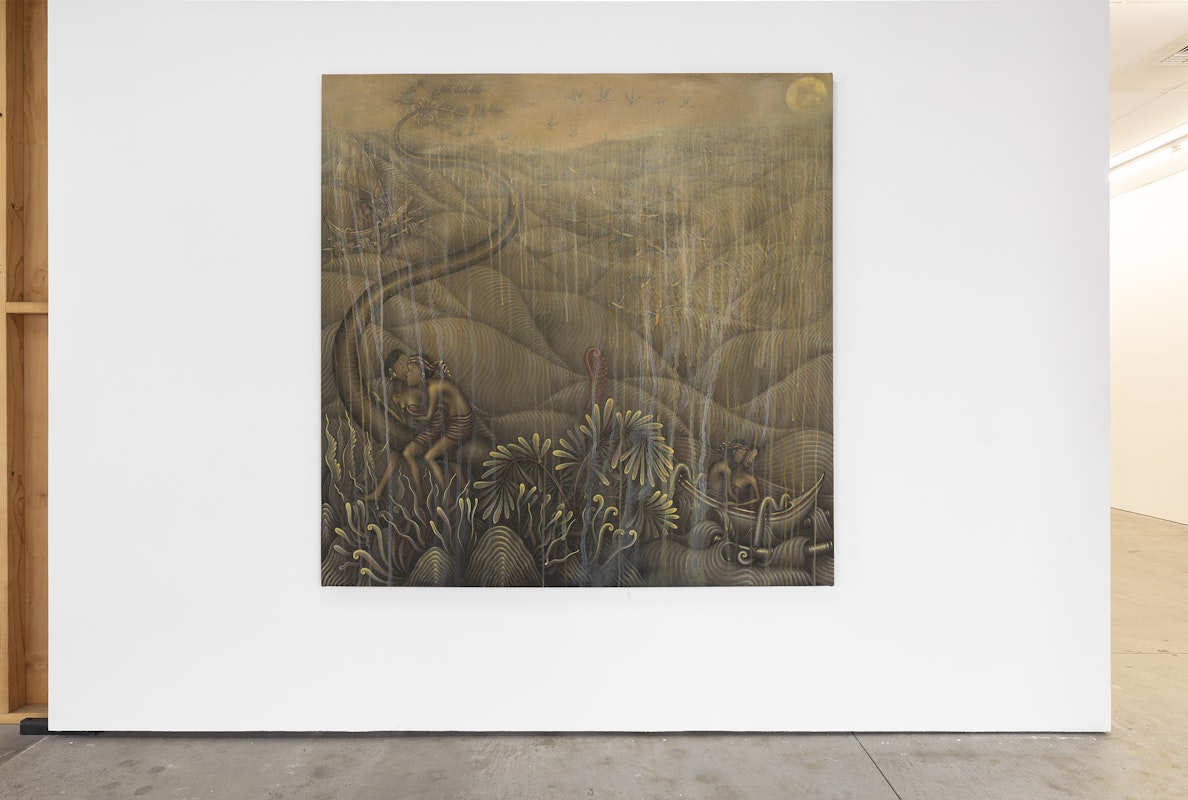
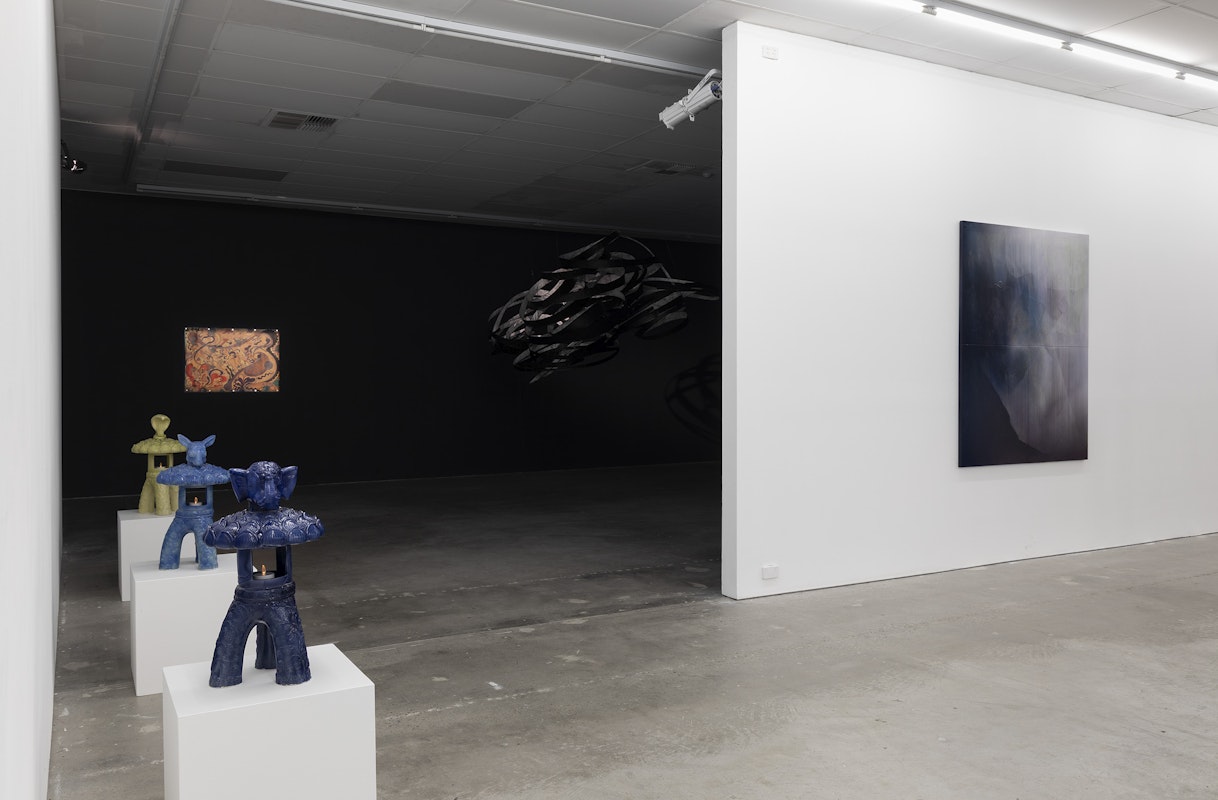
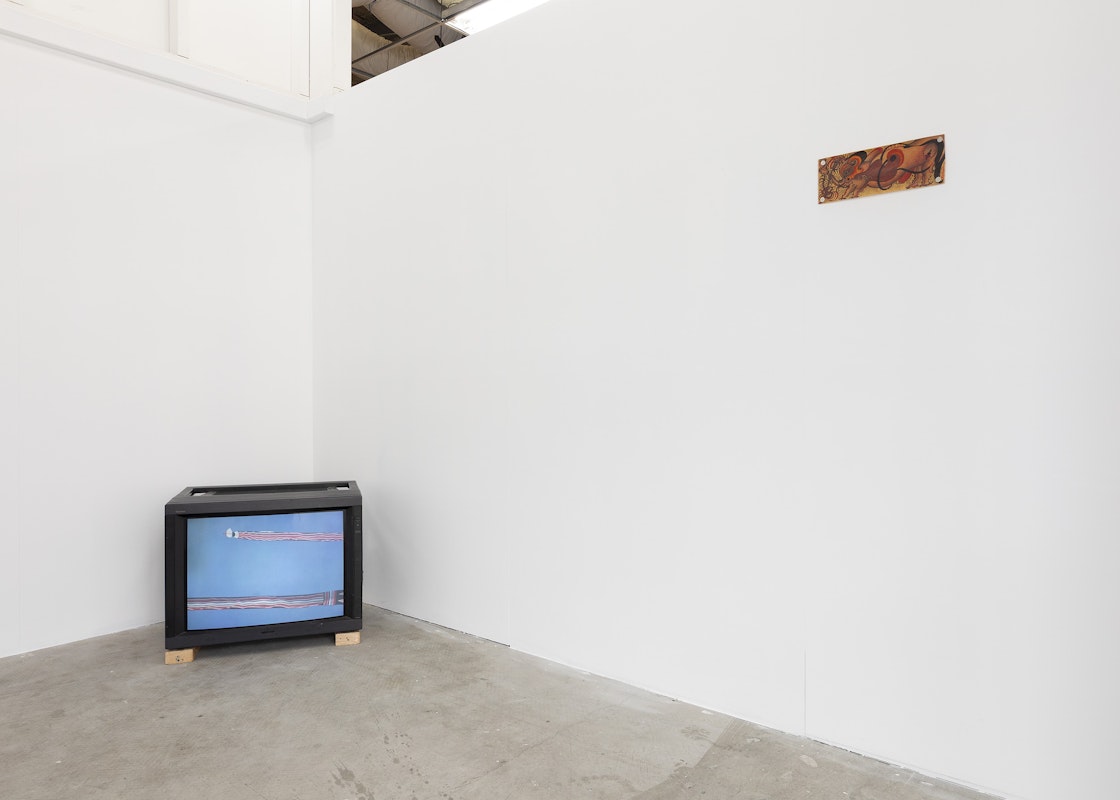
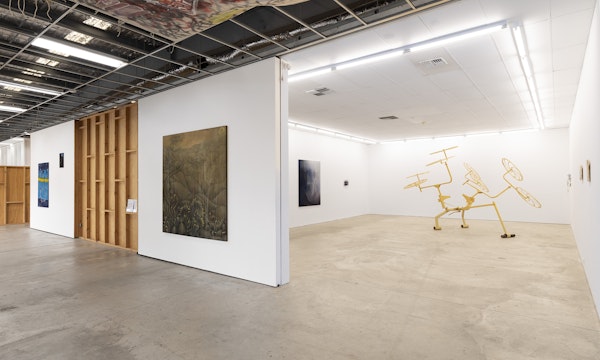
An initiative in its 26th year, platforming new modes of curatorial practice and exhibition-making methodologies, Octopus is a mainstay of Gertrude’s annual exhibition program. The program invites an independent or external organisational curator to research and develop a major group exhibition and its composite public and performance programs. For the first time, Octopus 26 is developed by an international curator, Krisna Sudharma, a contemporary art historian and writer, and director of Nonfrasa Gallery in Ubud, Bali, Indonesia. The relationship with Sudharma forms out of Gertrude’s two-year partnership and engagement with DESA (now DESA Projects), organising a program of month-long research residencies for Australian and international artists from 2023-2025. This project will continue, evolve and deepen the connections between Gertrude, Nonfrasa Gallery and DESA Projects, and connect contemporary art practices from Bali, Indonesia and Australia.
The premise of this exhibition lies in a phonetic accident, a slip of the tongue between two languages that reveals the tension of our shared geography. On one hand, there is the melange: a mixture, a medley, a distinctively anti-essentialist state where Indonesian and Australian identities blur and entangle. On the other, echoing in the local vernacular, is the Balinese imperative melahang: a command to handle with extreme care, to fix what is broken, or to split a material along its natural grain. It is within this friction; between the desire to mix and the necessity to be careful, that this exhibition operates. Melange is an act of endurance. It asks us to suspend our desire for easy translation and instead engage with the distance between us.
To navigate this landscape requires a complex form of entanglement. The artists here are not simply blending cultures; they are engaging in a dual motion of fostering and remembering. There is a commitment to nurture a collaborative space that pushes boundaries, yet this forward momentum is inextricably tied to the tutur, the oral transmission of folkloric narratives. By resurfacing these old-world messages and placing them within a modern, speculative landscape, the works act as a bridge. They suggest that identity is not a fixed object to be displayed, but a fragile material that must be melahang; handled properly, sometimes cracked open, to reveal the mixture inside.
However, we are not here merely to look at the results of this mixture. Drawing from Nicholas Mirzoeff, we are here to grapple with the autonomy of the image, to attempt ‘to see how it is itself seen.’ These artworks are not passive objects awaiting our approval; they possess their own logic. To understand them is not to grasp them by gesture or definition, or to offer a polite nod of comprehension. It is to acknowledge that by the time we feel we have grasped a moment, the circumstances have already shifted, angling toward a place where we have lost sight.
Henri Bergson asserted that ‘a mind is a thing that endures.’ One might add that it is our duration that thinks, feels, and sees. The first creation of consciousness is its own speed in time-distance—a causal idea, an idea before the idea. The dialogues in Melange navigate this speed. They suggest that when you are living in uncertainty, you are acting for yourself, navigating your own survival in the void. Conversely, when you live in pure contentment, you are often performing for others. There is always a double-edged dagger here: the safety of conformity versus the terror of the void. We must order and disorder this orientation so as not to become hostages of our own emotions. We do not move forward with the ‘dead weight’ of contentment; we continue because we are led onto a journey of the whimsical, the speculative, and the unknown.
Octopus 26: Melange presents a new model for international exchange through evolving curatorial collaboration, and inter-organisational sharing and cooperation. Distinct from importing an exhibition by Balinese and Indonesian artists, instead, this project takes focus on the modes with which these three unique organisations and initiatives have worked and continue to work, and intersects practices from Bali, Indonesia and Australia. The project draws on through-lines between a range of practices form these distinct yet neighbouring contexts, that already have a degree of connectivity and familiarity.